Fly Angling for Holistic Wellness
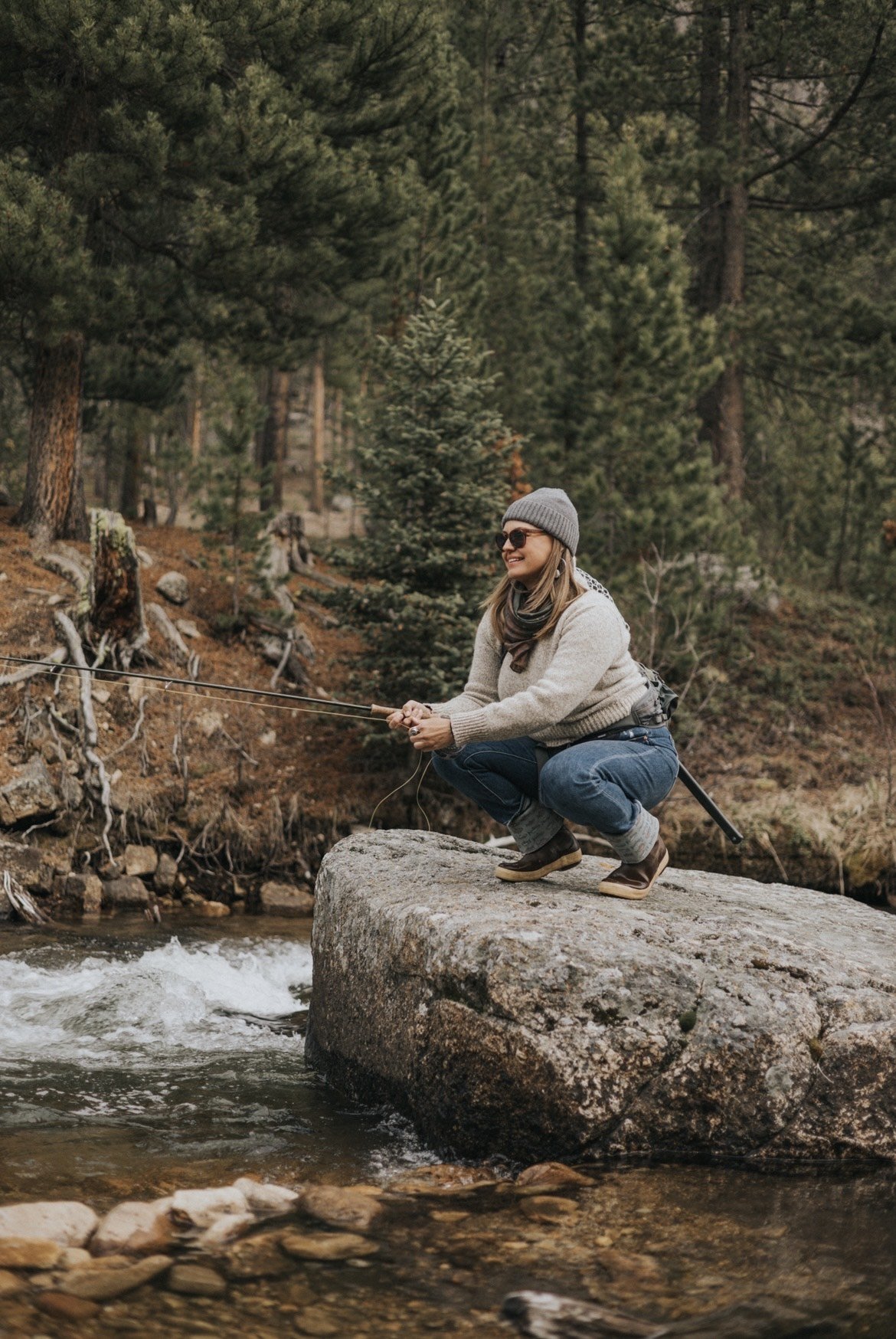
When considering the imagery of a fly angler perched within a crystal clear trout stream, drawing long elegant casts while nestled between snow-capped peaks and deep green conifers, it isn’t difficult to imagine how this pastime may enhance our well-being. And while there have been many who’ve likened fly fishing to yoga over the years, and for good reason, the wellness-focused elements that compose the foundation of fly fishing reach well beyond any one school of thought. Fly angling has long been known as being that of a greatly therapeutic sport; one rich in time spent exploring pristine fisheries ,wild terrain, as well as urban areas of natural refuge. For those who’ve chosen to develop a deeper relationship with their time on the water, it may even be considered that of a full and well-rounded wellness practice in and of itself, composed of endless potential to improve our health and quality of life. Not only does fly fishing inherently lean towards a mindful movement practice, it also offers ample opportunity to incorporate and experience additional wellness methods into any given venture. Here are just a few ways that it can enrich our lives and contribute to our well-being.
Time in the Outdoors. The body of research that now supports the benefits of spending time outside is both voluminous and encouraging. Improved sleep, reduced stress, greater immune function, and better respiratory health are just a few of the many areas where both physical and mental health are boosted by the outdoors. According to a 2019 study that analyzed data from 19,806 participants, their results found that spending a minimum of 120 minutes outside weekly showed substantial progress within the above areas. Even more, evidence found while studying Forest Bathing in Japan presented a marked decrease in blood pressure and heart rate within those participants who engaged in regular visits to green spaces. Learn more about the many benefits of exercise in the outdoors here.
Fly Casting as Mindful Movement. With an aesthetic that’s characterized by grace and intention, the presence of a flow-like meditative quality is firmly embedded in fly casting. Similar to any application of mindful movement(think yoga, tai chi, or even modern dance), the practice of casting facilitates space to slow down and experience the benefits of a mind-body connection. With various styles to explore and master, from single hand to two hand variations, there’s ample opportunity to continue to learn, refine, and even develop new neural pathways. For an additional layer of connected-ness, integrating a breath work practice while fly casting can offer even more benefits.
Natural Movement. For those who choose to walk and wade while fly fishing, you’ll likely find yourself fully immersed within a myriad of natural movement patterns throughout any given outing. Walking in and of itself provides enormous benefits that range from stress reduction, cardiovascular health, and cognitive improvement. Additionally, more recent research, including the findings from this JAMA Neurology published study, demonstrate that those who regularly walk significantly lower their risk of developing dementia. Meanwhile, wading through a moving current asks for a keen sense of balance and proprioception, full body strength, and clear focus. Beyond our basic locomotion, we have the opportunity to engage with additional natural movement patterns as we move through variable and un-groomed terrain. Think climbing up and down steep riverbanks, hip-hinging to crawl beneath low hanging branches, stepping up and over downed trees, and squatting to catch, handle, and release fish.
Cold Plunge Potential. While many target a wide variety of fish on a fly rod, from saltwater species such as permit or tarpon to warm water species such as musky or bass, a large demographic of fly anglers choose to explore those coldwater trout fisheries that boast gin-clear water that are oftentimes either spring or mountain fed. With an emphasis on “coldwater”, which is in fact an eco-prerequisite for wild and native trout to survive, these rivers and streams typically range in temperature from 40 to 70 degrees Fahrenheit, with optimal temps hovering between 52 to 64 degrees. Coincidentally, the ideal temperature range for cold plunging is generally understood as being between 50 and 59 degrees. If you’ve chosen to take a hold of the trending practice of cold plunging, why not complement your fly fishing outing with a quick invigorating dip before packing it in for the day? Check out this recent Mind Body Green article that highlights the many science-backed therapeutic benefits of cold exposure here, along with some great how-to recommendations for beginners.
In an era where many of us are living within the constraints of long to-do lists, tight timelines, and limited opportunity to invest in our holistic wellness, discovering a practice that seamlessly checks so many of the health-focused boxes is an inarguable win. Whether you’re in need of a quiet solo expedition characterized by introspection, or an avenue to meet new people and enjoy a day outdoors among friends, the versatility of fly angling offers a wealth of wellness for everyone.
Wading Strong: Simple At Home Practices for Better Movement on the Water
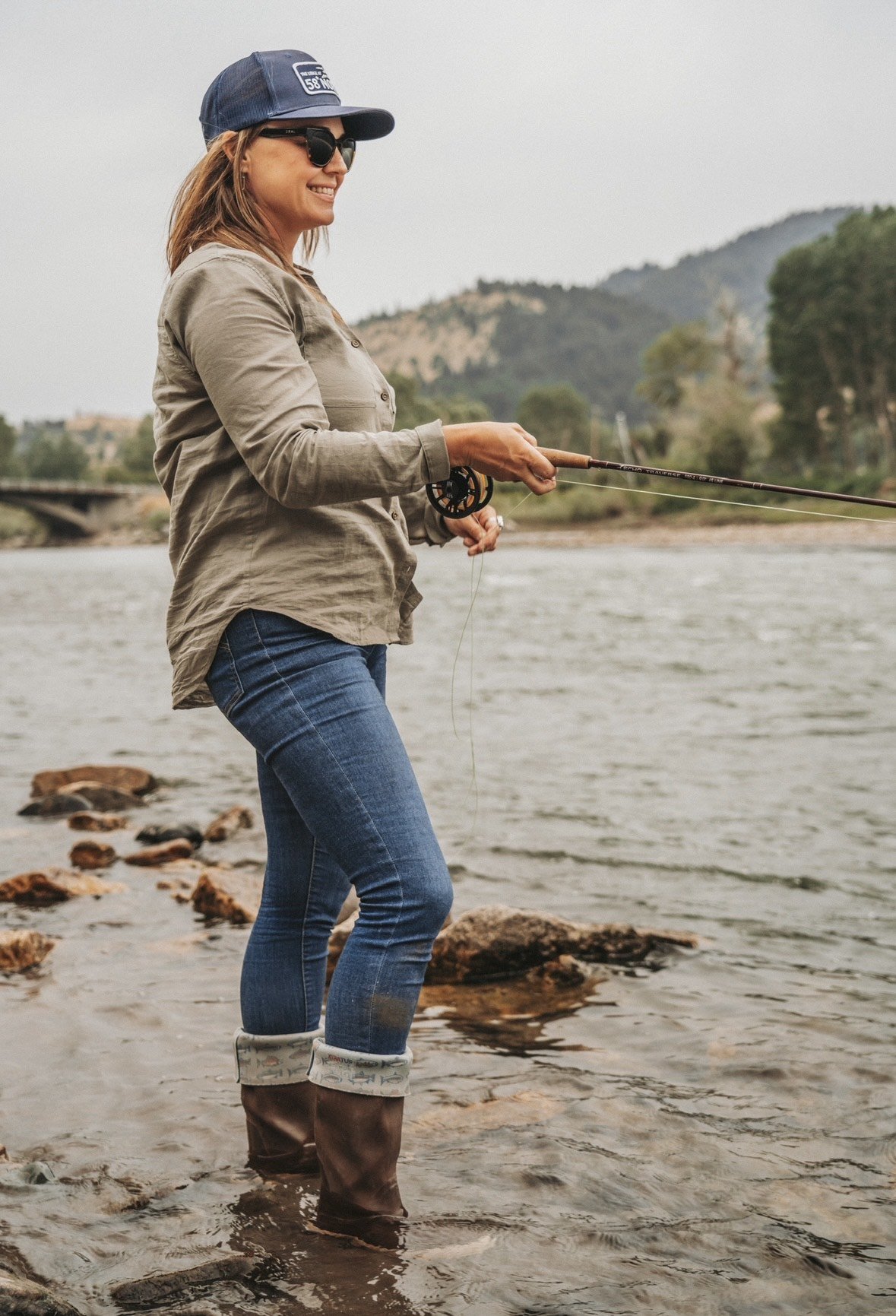
Walking and wading may seem simple on the surface, but both can present a surprising number of physical challenges. This is especially true when we find ourselves moving through wild, uneven, and ungroomed terrain.
Increasing our capacity to move well as we explore fisheries and wild places is one of the best ways to keep ourselves returning to them for years to come. While simply spending time outdoors is a powerful driver of resilience, there are also small, simple practices we can integrate into daily life that carry real impact. For anglers who spend long days covering ground, as well as those newer to wading, refining the foundational skills that support walking, balance, and stability matters. Below are a few accessible ways to do exactly that, all from home.
Single Leg Balance
For yogis or martial artists, single leg balance may already feel familiar. What’s often overlooked is that walking itself is essentially a repeated sequence of single leg balancing, just performed more quickly. While wading, we’re frequently asked to balance on one leg for longer or more deliberate periods of time. Whether you’re untangling a fly from a boot lace or carefully extracting one foot from deep mud, the ability to stand well on one leg is incredibly useful.
Try: Stand on one foot for short periods throughout the day. Brush your teeth, wait for the kettle to boil, or pause while standing in line. Use a wall or stable surface for support if needed, and gradually increase the duration over time. Practice on both sides, and as you improve you can integrate gaze shifts and head movement to challenge your balance even more.
Balanced Walking
All walking involves balance, but angling often demands variations that differ from everyday gait. Crossing downed trees, stepping through boulder fields, or navigating narrow banks requires more precision and control. Regular exposure to these types of walking patterns helps build neuromuscular awareness and preparedness.
Try: Incorporate a tightrope style walk into your routine. Practice heel to toe walking forward and backward in your driveway, yard, or indoor space. Use sidewalk seams or floor tiles as visual guides if available. As a progression, balance walk along a low beam or a 2x4.
Being Barefoot
Most modern footwear limits the foot’s ability to sense and adapt to the ground beneath it. Over time, this can reduce strength, resilience, and responsiveness in the feet and ankles. Spending intentional time barefoot gives the feet an opportunity to re engage with the environment and rebuild capacity.
Try: Begin spending more time barefoot at home. If your feet are usually confined to shoes or slippers, mild soreness is normal at first. Ease in gradually and vary the surfaces you walk on, such as carpet, hardwood, or outdoor ground. For those interested in minimalist footwear, this is a helpful transition strategy.
Toe Neuromapping
We often think of fingers as independent contributors to hand function, but rarely extend that same consideration to our toes. Strong, well coordinated toes play a significant role in balance and ground connection. Improving the brain to toe connection can meaningfully enhance stability.
Try: While barefoot and either seated or standing, lift and lower just your big toe, then switch to the other foot. Next, lift and lower the smaller toes while keeping the big toe down. Alternate sides and repeat for several rounds. Patience is key, this connection builds with practice.
Vestibular Drills
Beyond muscles and joints, the vestibular system plays a central role in balance. This sensory system integrates input from the inner ear and eyes to help orient the body in space. Simple vestibular drills can support this system, and many can be done seated.
Try: Sit comfortably and extend one arm straight out in front of you with a thumbs up. Keep your eyes focused on your thumb while turning your head left and right, then up and down. Perform several repetitions in each direction. Progress by standing, then eventually practicing on one leg.
Myofascial Release for the Feet
Soft tissue health influences how well the feet sense and respond to the ground. Myofascial release can support mobility, overall tissue quality and hydration, and sensory awareness.
Try: Roll the soles of your feet using a ball. A tennis ball is a good starting point for sensitive feet, while firmer balls can be introduced over time. Cover the entire surface from the ball mounds to the heel, paying attention to the arches. Use pressure that feels sustainable and avoid pain. Roll forward and backward, as well as side to side, to explore different tissue layers.
Walking and wading well isn’t about doing anything extreme. It’s about building a foundation of balance, awareness, and adaptability that supports you every time you step into moving water or uneven ground. These small practices add up, helping you feel steadier, more confident, and more capable wherever your fishing takes you.